The gap between 1000 and 1200 is not knowing more openings. It is a small set of judgement calls that decide games at this level — and most players lose those games in three specific ways.
Below are the three that matter most in this band, each with a real position and the reasoning behind it. Nothing here needs memorisation. It needs a habit of asking one question before you move.
Getting pieces out faster than your opponent feels like an advantage, and it is — but a temporary one. Your opponent will finish developing too. The advantage only becomes something real if you open lines while it still exists.
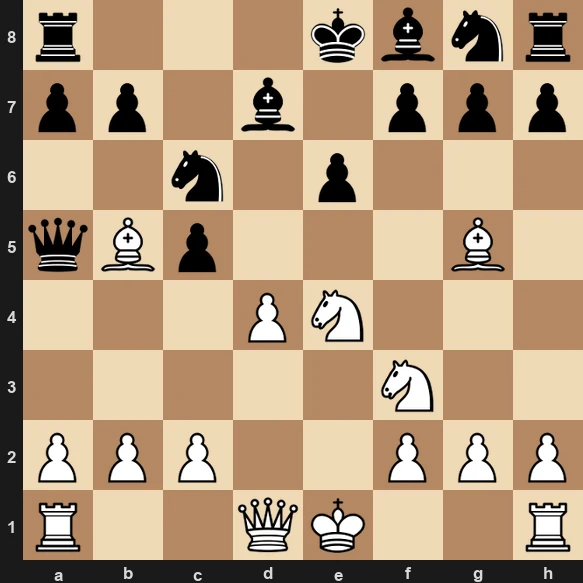
In open positions, each move you spend not developing — grabbing a wing pawn, retreating a piece, making an exchange with no purpose — hands your opponent a free turn to catch up. Central pawn breaks are what convert the lead into an attack, because they open the lines your pieces are already pointing down.
Moving the same piece twice with no concrete reason, taking pawns on the edge while the king sits in the centre, or trading off their one developed piece. Any of these means the clock is running in your favour — and that you should be opening the position, not consolidating.
The mistake in the other direction is just as common: keeping a closed centre because it feels safe. A closed position lets the player who is behind in development catch up for free.
Most players at this level decide exchanges by counting material, or by a general rule they half-remember — "bishops are better than knights". Both are the wrong first question.
The real power of an exchange is not the piece it removes. It is what the board looks like after the recapture. A trade that forces your opponent into doubled or isolated pawns has created a weakness that lasts the whole game, long after the tactical dust settles.
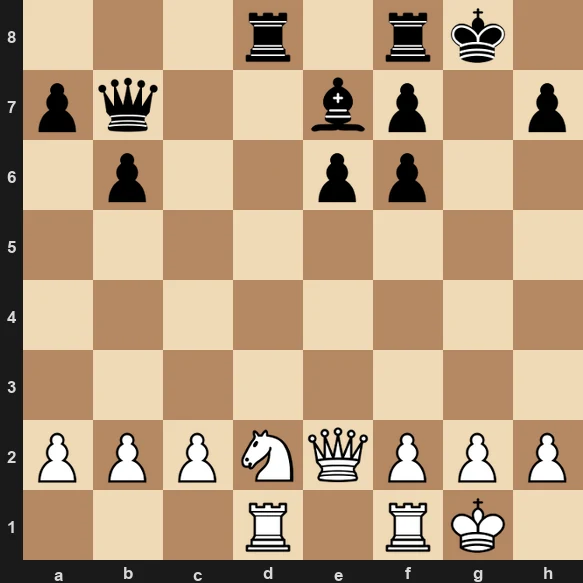
Three situations where the decision is usually clear:
Not "am I winning material?" — but "what pawn structure am I left with after the recapture?" Damaged pawns are permanent. Piece activity is not.
Games in this band are routinely thrown away in the last ten moves, and usually not through a blunder — through a misjudgement about what the position is worth.
Start with the material question. King and a single minor piece against a lone king is a draw, always. Two knights cannot force mate against correct defence. King and queen, king and rook, or king and two bishops always can.
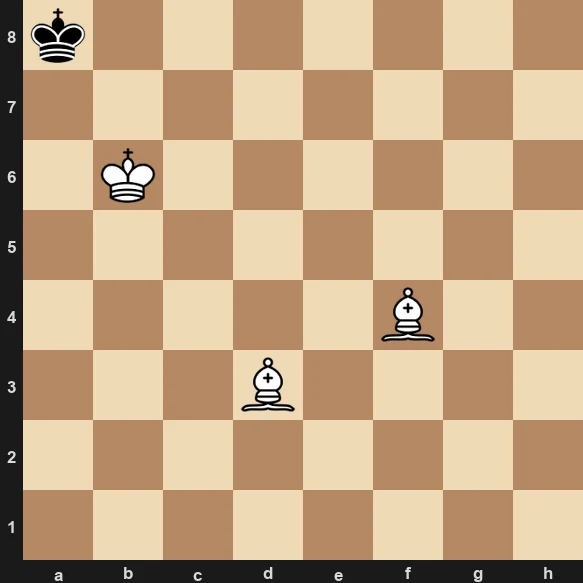
Then two ideas that decide most pawn endgames:
Rook pawns break the rules. If the defending king reaches the queening corner, the position is drawn no matter who holds the opposition — the attacker simply has no room to go around.
Each idea above is a complete lesson on ICA — 20 positions to play out and a quiz that explains the reasoning, not just the answer. All three are free.
Create a free accountFree account, no card required. Your level diagnosis is free too.
ICA maps your play across 11 skills and builds a study path for your band, so you are not guessing what to work on next. There are 17 bands, calibrated to FIDE levels, from 800 to 2400.
 ICA CHESS